Workstreams

The Paediatric Critical Care (PCC) Network has many long and short-term workstreams, so it isn’t possible to include all aspects of the work covered by the PCC Network here. Our annual workplan will focus on specific areas of Paediatric Critical Care, examples of which can include clinical guidelines, referral pathways and education provision.

The following workstreams are carried out routinely each year:

Morbidity and Mortality Reviews

The Thames Valley & Wessex Paediatric Critical Care Operational Delivery Network (TV&W PCC ODN) views the network as a collaborative group who work together to improve care of critically ill and injured children in our region. A core element of improvement is the ability to learn, and as a network, we hold the benefit that learning can be amplified out of one Trust to all member hospitals. To support this, we host a regional ODN Morbidity and Mortality process where learning is shared and investigation into learning events is supported by the ODN to ensure consistency of approach and the furthest reach of learning points. The group consists of healthcare professionals from across the regional multidisciplinary teams, who volunteer their time to attend local reviews of significant paediatric critical care events. The group meets 3-4 times per year to collaboratively review each event and produce a shared learning document for the region. 

For healthcare professionals within the Thames Valley & Wessex region only:

The following link can be used to refer cases into the M&M process:
Morbidity & Mortality Case Referral Form – Fill in form

For further information on the process, please visit our Futures site to access the Standard Operating Procedure:
M_M SOP V2.2 2024 – Thames Valley and Wessex Children and Young People Operational Delivery Network

The above links take you to our Future NHS pages. Please note that you will need to request permission to access these resources, but you will only need to do this once and access is usually granted within 24-48 hours.

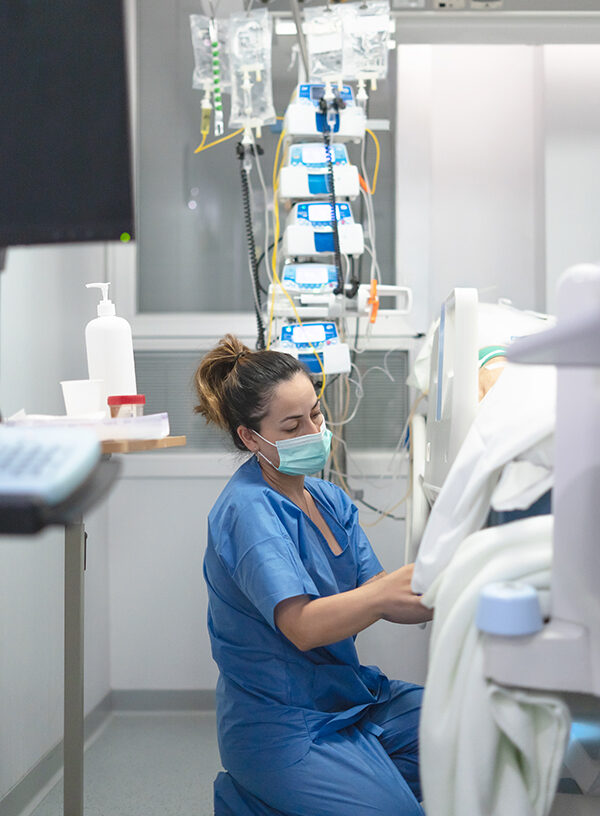
Nurse tending to hospitalized patient receiving medical care in icu
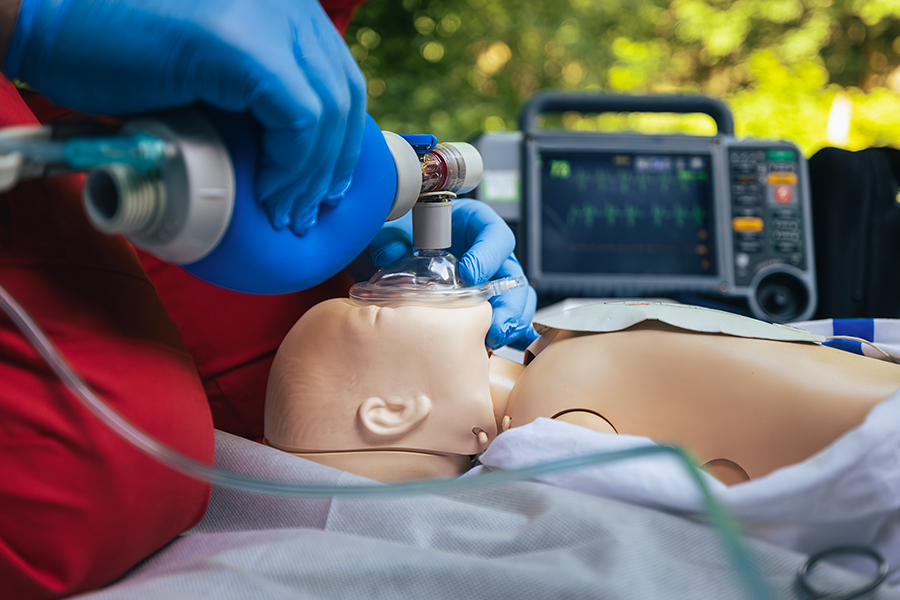
Hands of paramedic of emergency medical service during training resuscitation training on newborn dummy.

PCC Education

The Paediatric Critical Care ODN supports education delivery across the Thames Valley and Wessex region, with the primary aims of ensuring care can be delivered as close to home as possible, reducing any unwanted variation and improving clinical outcomes for patients. We host a variety of education events in person and virtually, including PCC Education Day, Morbidity & Mortality Conference and PCC Level 1 course for registered nurses. More information on our events and courses can be found on our education page.

The PCC ODN hosts a quarterly clinical forum to bring together healthcare professionals working in the region to collaborate, share expertise and contribute to network-level guidelines and protocols.

If you are a clinician working in Thames Valley and Wessex and would like to become a member of our Clinical Forums please contact us.

PCC Capacity / Patient Flow

The TVW CYP ODN’s key priority is to ensure equity of access to PCC for all children within the network. To achieve this, the ODN is required to review regional PCC service delivery and provide recommendations to ensure PCC services are appropriate for the current population need and future demands. 

The commissioning of PCC Level 2 units within Thames Valley and Wessex occurred in 2025, with the aim of providing critical care as close to home as possible for our population.  The PCC ODN has works collaboratively with the designated Trusts to support them to meet the service aims and outcomes of the NHS England Paediatric Critical Care Level 2 Service Specifications and the Paediatric Critical Care Society Standards. 

The PCC ODN chairs a bimonthly PCC Level 2 Forum, consisting of stakeholders from across the region who are actively involved in any aspect of PCC Level 2 care.  The group work collaboratively on a range of projects such as clinical guidelines and referral pathways.

Oversight of transport services is in line with NHS England’s transport service specification and reviewing PCC capacity and service alignment to national specifications and standards sits within this workstream.

Child girl holding sick young sister hand
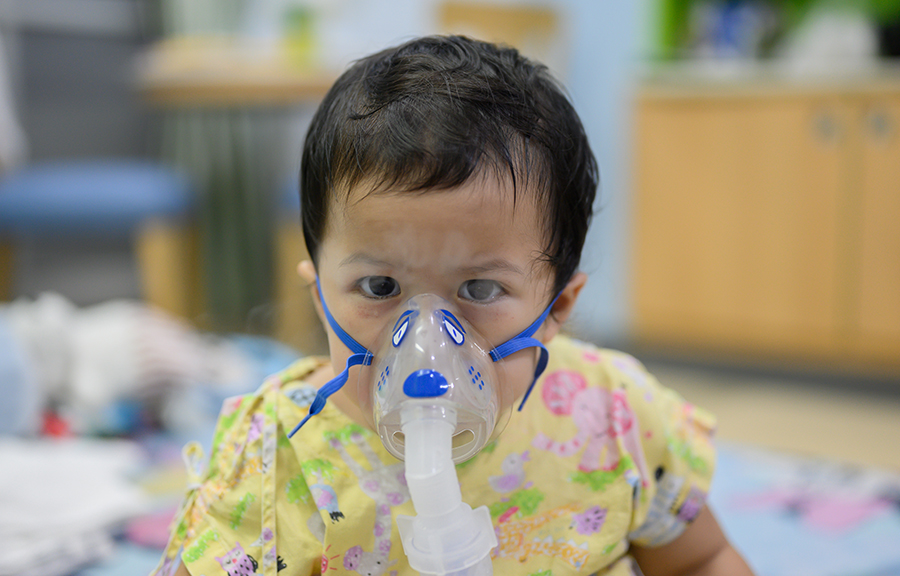
baby with oxygen mask on

Surge

We are responsible for the communication between the providers and commissioning for regional and national escalation for critical care capacity. Whilst bed allocation for paediatric critical care patients still sits with the providers/transport services.

Guideline and pathway development

The Paediatric Critical Care ODN aims to reduce the number of variations within guidelines across the network to ensure all children and young people are receiving the same level of care. To do this we support with regional guideline development for various clinical needs. To recognise where a guideline might be required, we take influence from benchmarking our services against national guidelines such as Paediatric Critical Care Standards and also via our clinical forums, where clinical teams can highlight where a gap might be. 

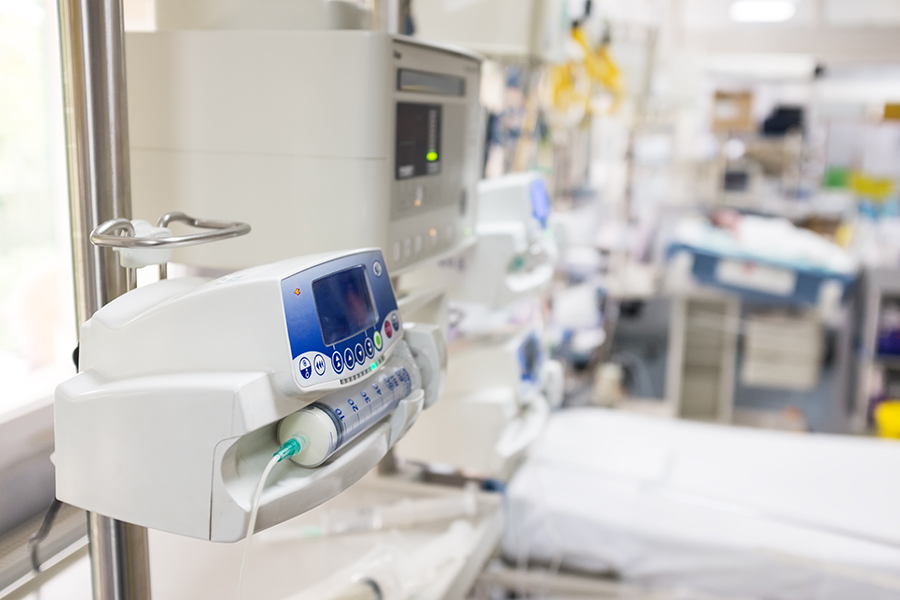
Coronavirus COVID-19 disease epidemic, corona virus pandemic outbreak, isolation emergency situation, medical equipment in a hospital emergency room, yellow pipe or hose and other devices on the rack

Long Term Ventilation (LTV)

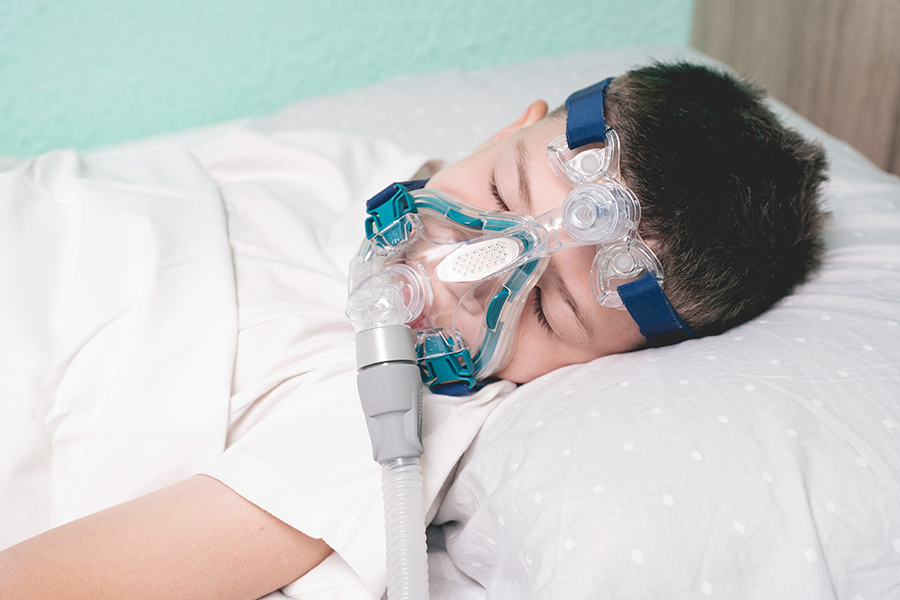
Long Term Ventilation (LTV) is the use of a machine (ventilator) to provide breathing support overnight and for all or part of the day. The ventilator moves air/oxygen in and out of the lungs to support or replace a child’s own breathing. Within the Thames Valley & Wessex Children and Young People Strategic Network, long-term ventilation sits within the Paediatric Critical Care ODN. A basic train-the-trainer package is in place for our education colleagues within our District General Hospitals.  

Accessibility Toolbar